


Diabetes can affect many parts of the body, and the eyes are no exception. One of the most serious eye complications related to diabetes is diabetic retinopathy, a condition that damages the blood vessels in the retina.
If left untreated, it can lead to permanent vision loss. However, with early detection and proper management, vision loss can often be prevented or significantly slowed. Understanding how retinopathy caused by diabetes develops and what steps you can take is essential for protecting your sight.
How Diabetic Retinopathy Develops
The retina is a thin layer of tissue at the back of the eye that helps create clear visual images. Over time, high blood sugar can weaken the tiny blood vessels that supply the retina. These vessels may swell, leak, or grow abnormally. In the early stages, there may be no noticeable symptoms, which is why regular eye examinations are so important.
In more advanced stages, the damaged vessels may bleed into the eye or cause scar tissue that distorts vision. Because vision changes may happen gradually or suddenly, many people may not realize the severity of the damage until significant vision loss has occurred. This is why ongoing monitoring is crucial for anyone living with diabetes.
Recognizing the Early Signs
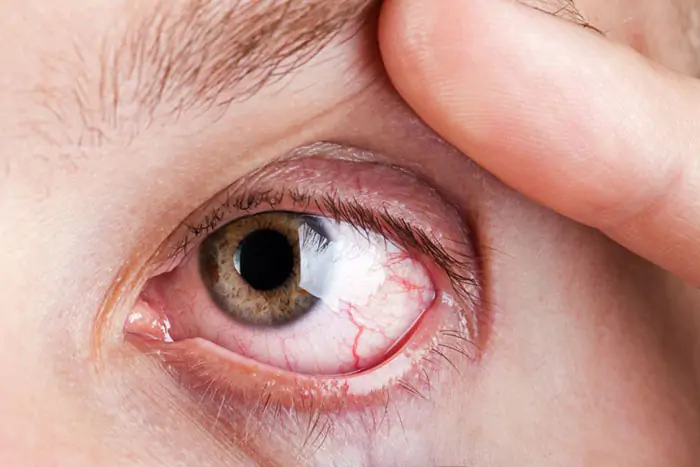
Although early-stage diabetic retinopathy often has no symptoms, some signs that may appear later include blurred vision, difficulty seeing at night, floaters, and dark or empty spots in your field of vision. If you notice any of these changes, it’s important to contact an eye specialist promptly.
Since symptoms usually develop slowly, routine screenings can be lifesaving. Eye exams allow specialists to detect early retinal changes before symptoms appear, providing a window of time to start treatment and protect vision.
Regular Eye Exams Are Key
One of the most effective ways to prevent vision loss is to schedule regular eye examinations. People with diabetes should have a comprehensive dilated eye exam at least once every year. In some cases, doctors may recommend more frequent check-ups depending on the severity of the condition or changes in blood sugar control.
During the exam, the retina is closely inspected for any signs of vessel damage or leaking. Optical coherence tomography (OCT) scans and retinal photographs may also be used to provide a more detailed view of the eye. These tools help track progression and guide treatment decisions.
Managing Blood Sugar and Blood Pressure
Maintaining good control of blood sugar levels plays a major role in preventing diabetic eye damage. Keeping blood sugar close to your target range reduces stress on blood vessels and slows disease progression. Monitoring your levels daily and following your healthcare provider’s recommendations for diet, exercise, and medication can make a significant difference.
Blood pressure and cholesterol levels also influence eye health. High blood pressure can further damage the delicate vessels in the retina. Managing these levels through healthy lifestyle choices and prescribed medications helps reduce the risk of complications.
Treatment Options for Diabetic Eye Changes
When diabetic retinopathy progresses, several safe and effective treatment options are available. One common treatment is anti-VEGF injections, which help reduce abnormal blood vessel growth and leaking. These injections can help stabilize or even improve vision.
Laser therapy may be used to seal leaking vessels or prevent new abnormal vessels from developing. In more advanced cases, vitrectomy surgery may be necessary to remove blood or scar tissue affecting vision.
The key to treatment success is early intervention. The sooner therapy begins, the better the chances of preserving eyesight.
Lifestyle Habits That Protect Vision
Daily habits play an important role in maintaining eye health. Eating a balanced diet rich in leafy greens, whole grains, and lean proteins supports overall wellness. Regular physical activity improves blood sugar control and circulation.
Avoiding smoking is especially important because smoking can worsen retinal damage. Staying consistent with medical appointments and communicating openly with healthcare providers ensures that any changes in vision or health are addressed early.
Taking Charge of Your Eye Health
Living with diabetes does not mean losing your vision. With awareness, commitment, and regular care, most people can slow or prevent the progression of diabetic retinopathy. Protecting your eyesight starts with understanding the condition, maintaining regular eye examinations, and taking steps to manage your health daily. By being proactive, you can preserve your vision and continue enjoying the activities and independence that good sight provides.